The AI disinformation gap the Pentagon may be missing
"The Pentagon is building a better mousetrap while the mice are rewriting the blueprint for the house," argues this analyst.
"The Pentagon is building a better mousetrap while the mice are rewriting the blueprint for the house," argues this analyst.
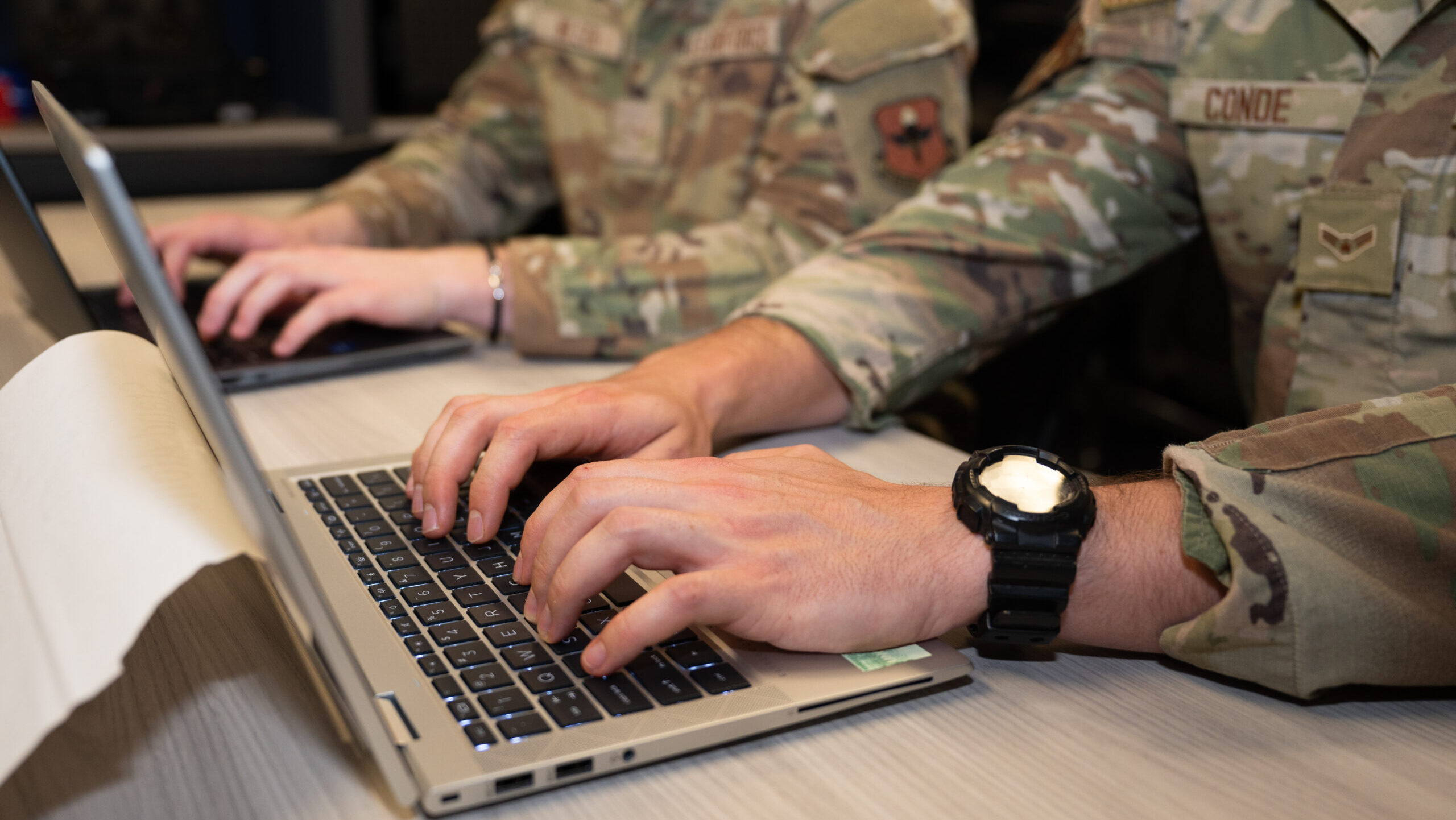
Disinformation is not just a policy issue, but a wider military threat to homeland security, writes William Coffin in this op-ed.

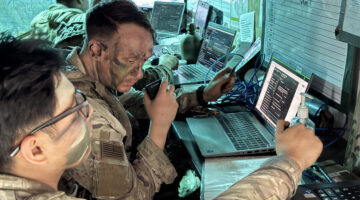
AI is reshaping the Army’s approach to cyber, electronic warfare and command and control. At TechNet Augusta 2026, leaders outlined how they’re turning emerging technology into capabilities for the battlefield.

While generative AI can churn out dangerous disinformation, the revised AI strategy warns, it has so much potential upside that “It is vital for NATO to use these technologies … as soon as possible.”

With official outlets like RT and Sputnik kicked out of many Western countries, Moscow now emphasizes social media — exploiting TikTok, X, and the explosion in generative AI, according to a new report.
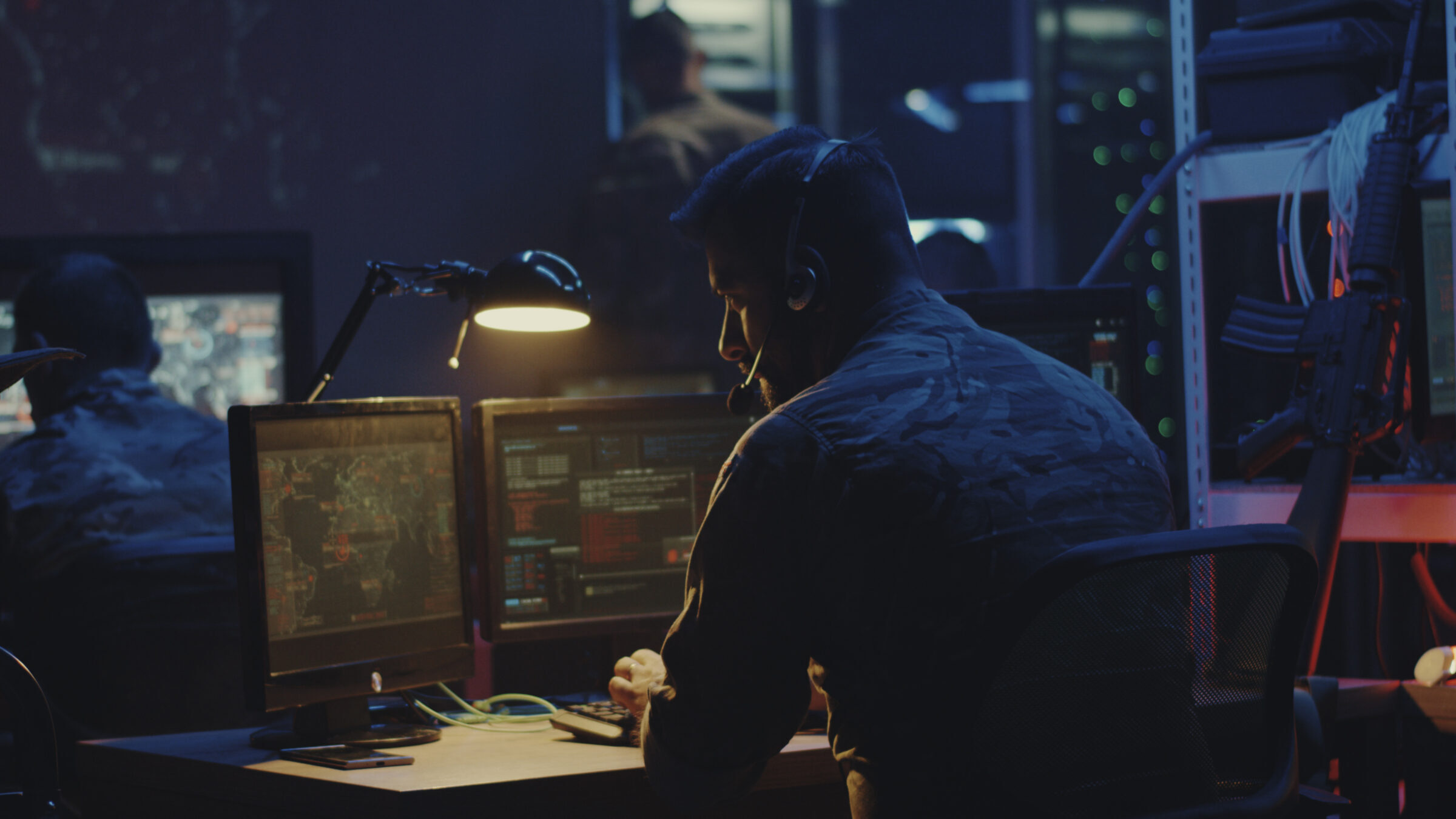
As Russia and China take advantage of the information space, current DoD education guidance on the information environment is set to expire this year, according to a GAO report.

A pair of retired top American officers say Israel did not respond quickly or effectively enough to the information war waged by Hamas earlier this year.

Explore how software, edge AI and resilient connectivity can strengthen military logistics in contested environments. Join Breaking Defense on Oct. 21 and earn 1 CPE credit.

"We just needed a much smaller dataset, half hour of training time, and all of a sudden, GPT was now a New York Times writer," said Andrew Lohn, senior research fellow at CSET.

"There's no question that as you pull out... our intelligence collection is diminished," Haines said. "In Afghanistan, we will want to monitor any reconstitution of terrorist groups."